Farm jobs are available in almost every zip code in the country, but finding the right employee and work team can take a little creativity and effort. In fact, regenerative farming does not leave out the people-factor when it comes to sustainability, and many challenges and questions can arise.
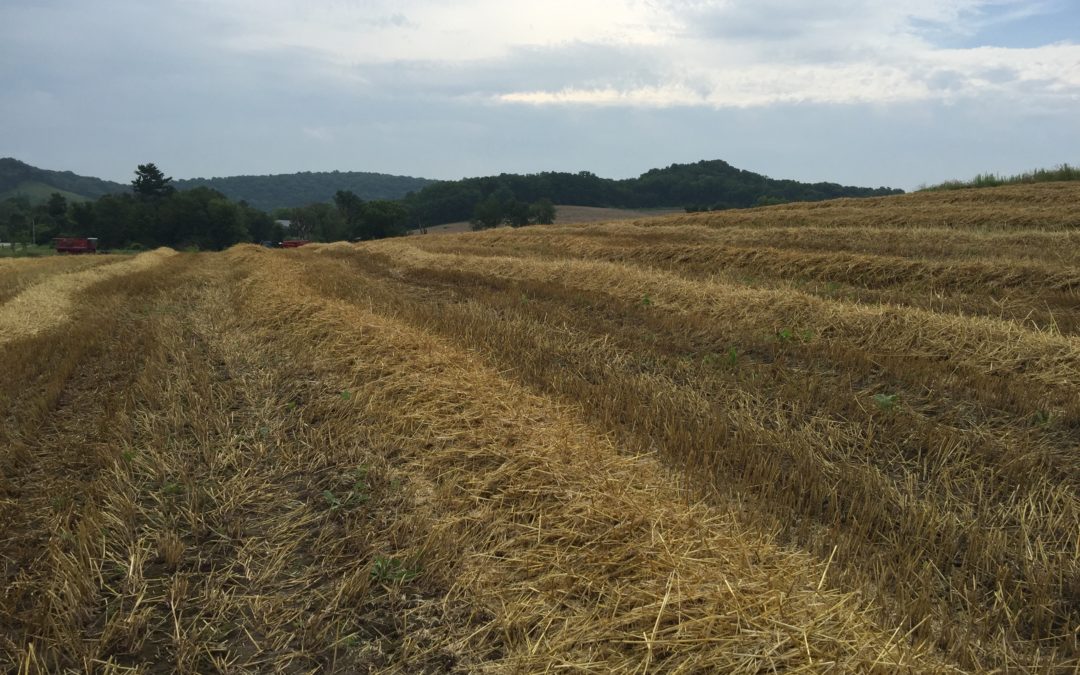
For most growers, one of the biggest deterrents to going organic is the 36-month-long process of transition, during which time you can use only organic-approved inputs and practices, but the crops, milk or other farm goods produced can’t be sold as “organic” and receive the price premium.

Farmers, advocates and policy wonks disagree on how, and even whether, to address the challenges facing the dairy industry. But there’s no dispute about the overriding dynamics behind the sector’s crisis. Milk production continues to increase, yet Americans’ consumption has been falling.
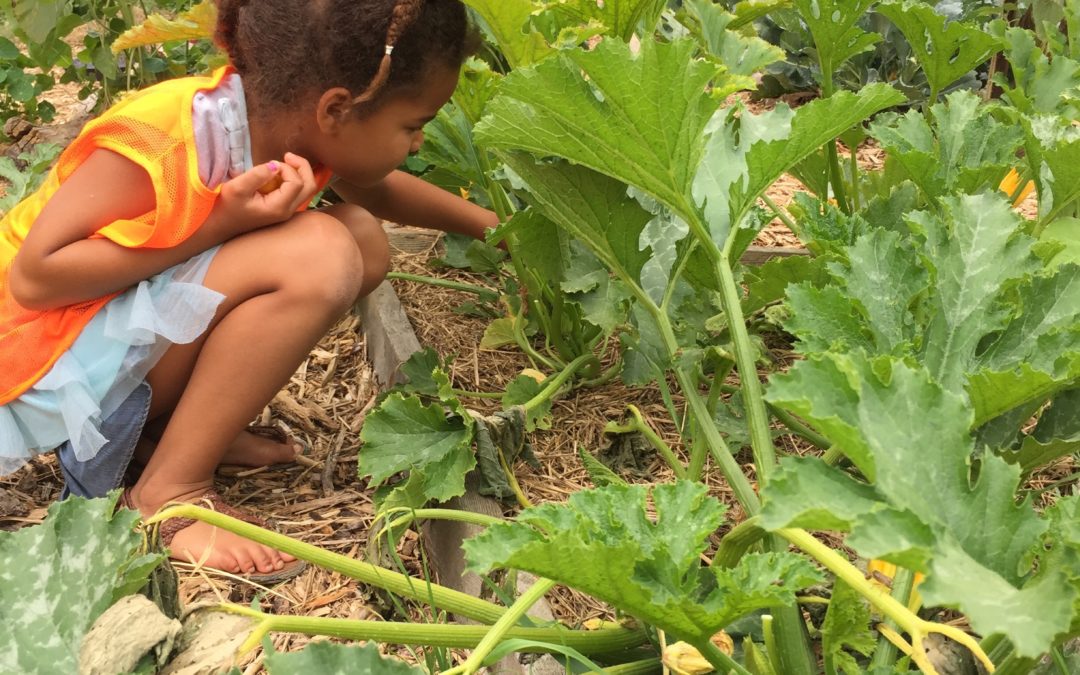
In a CLT, the community owns and stewards the land, leasing it to families and/or farmers with a lifetime, 99-year lease that can be passed on to offspring or transferred to other farming families. Community members share responsibility for the land, and their democratically elected representatives compose one-third of the CLT’s board.
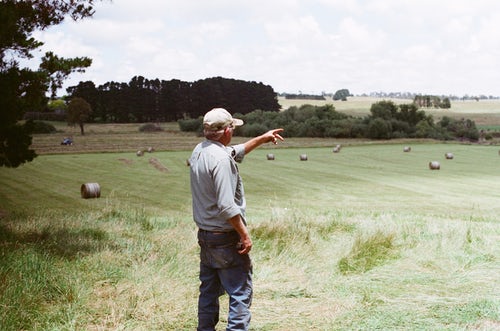
Good management makes farming life-giving, rewarding and profitable for both the farmer and the workers. Farmers that work to empower their workers, have clear expectations, understand the expectations of their workers and communicate well on a daily basis create wonderful environments for workers.

On-farm events are a great way to both gain and keep current CSA (community supported agriculture) customers. Agritourism can also help with products sold off-farm even if agritourists don’t buy directly from the farm during their visits.