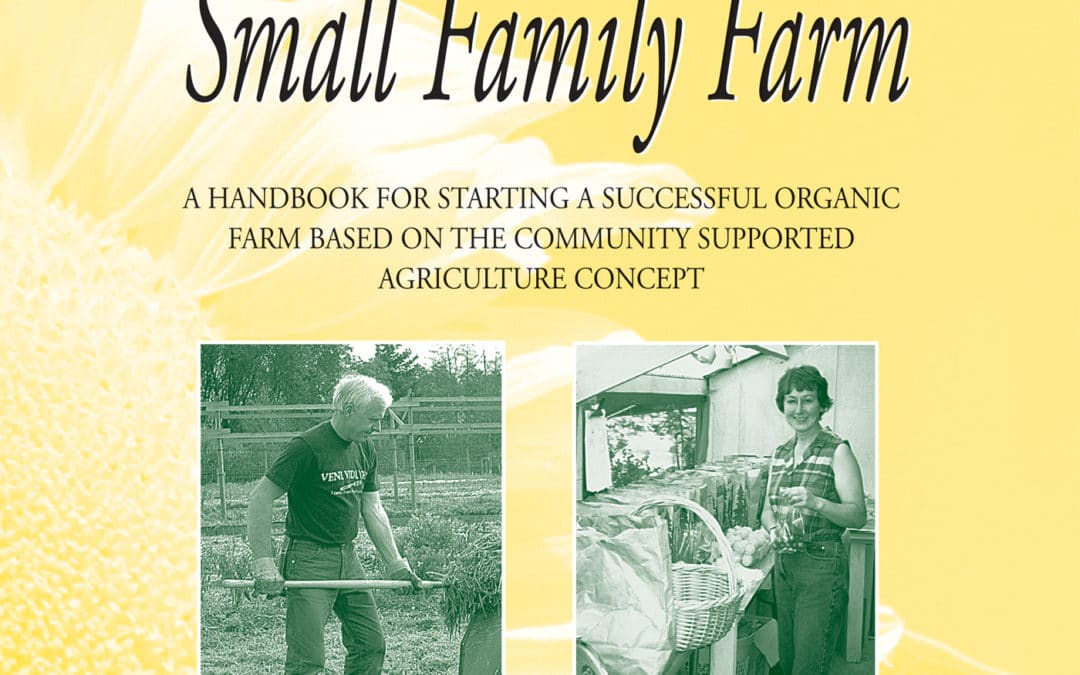
Small farms should grow crops organically. The more we read and discover, the more we see the long-term disaster that chemical farming is, both for the consumer and especially the farmer, and we also see how feasible it is to grow mixed crops better organically. (We have closely followed the debate on this topic for many years, and have experienced it ourselves, so do not make the previous statement lightly.)
I designed the Ten Steps to Holistic Systems with ranch profit in mind. It encompasses over 35 years of personal, practical experience meshed with the insights and contributions from many different authors and farmers I have come across in as many years. As I list these steps try and visualize how you can incorporate these steps into your holistic plan on your farm or ranch.
My dream is that as half of all farmland changes hands over the next 15 years, most of it will go to management under a new generation of bright-eyed, bushy-tailed, land-caressing entrepreneurs increasing the commons and serving communities with integrity-based food and fiber. Let’s do it.
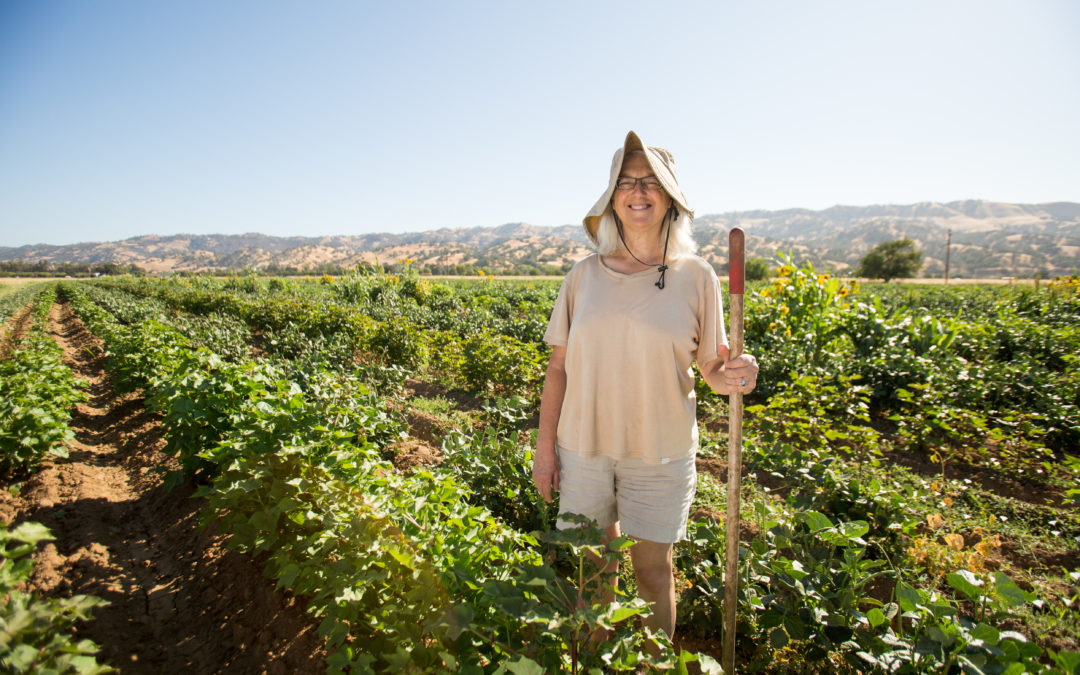
Fibershed members include farmers, ranchers, designers, sewers, weavers, knitters, felters, spinners, mill owners and natural dyers, which are listed in Fibershed’s Producer Directory. Those who grow fiber and dye crops receive free soil carbon baseline testing and support on improving the carbon farming methods on their land.
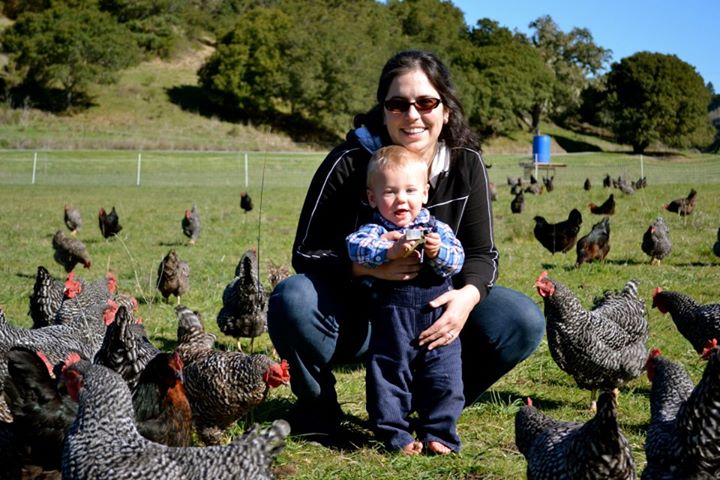
No sustainable farmer gets into farming solely with the aim to get rich. We do it because we see so many opportunities to be rich in every other sense. But too often we are convinced to take that idea to an illogical conclusion — just because we aren’t getting paid by the hour, does not mean we shouldn’t pay attention to where our hours go.
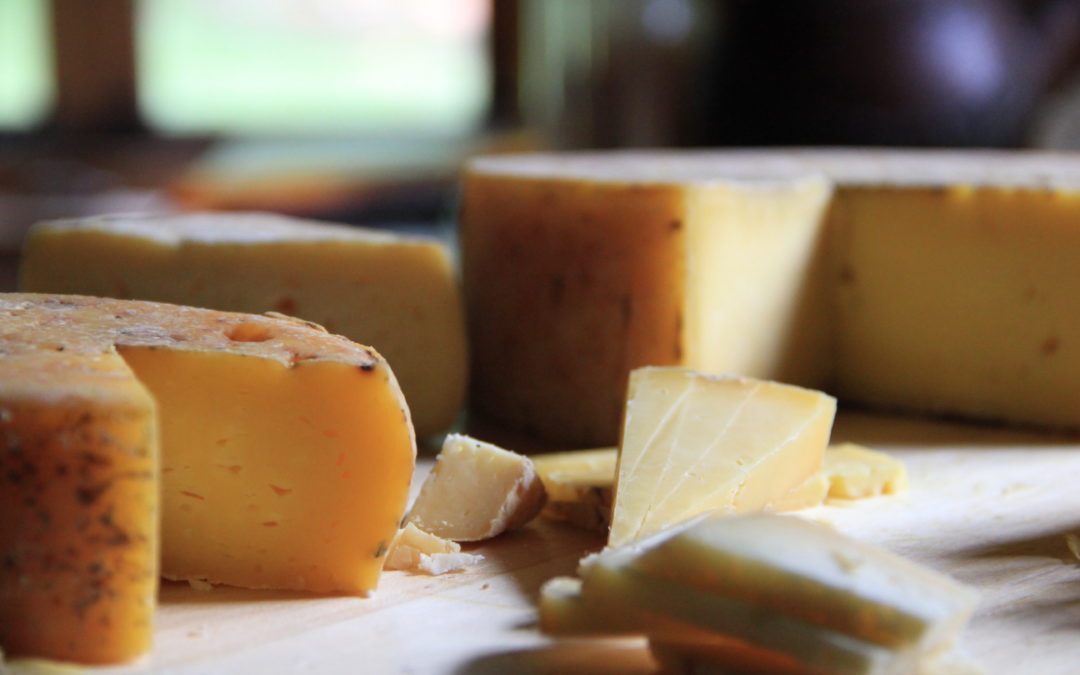
While there are no easy answers that will properly deal with every facet of the job, if you clearly define your business, both before selling that first wheel of cheese and periodically over time, you are likely to be a success.