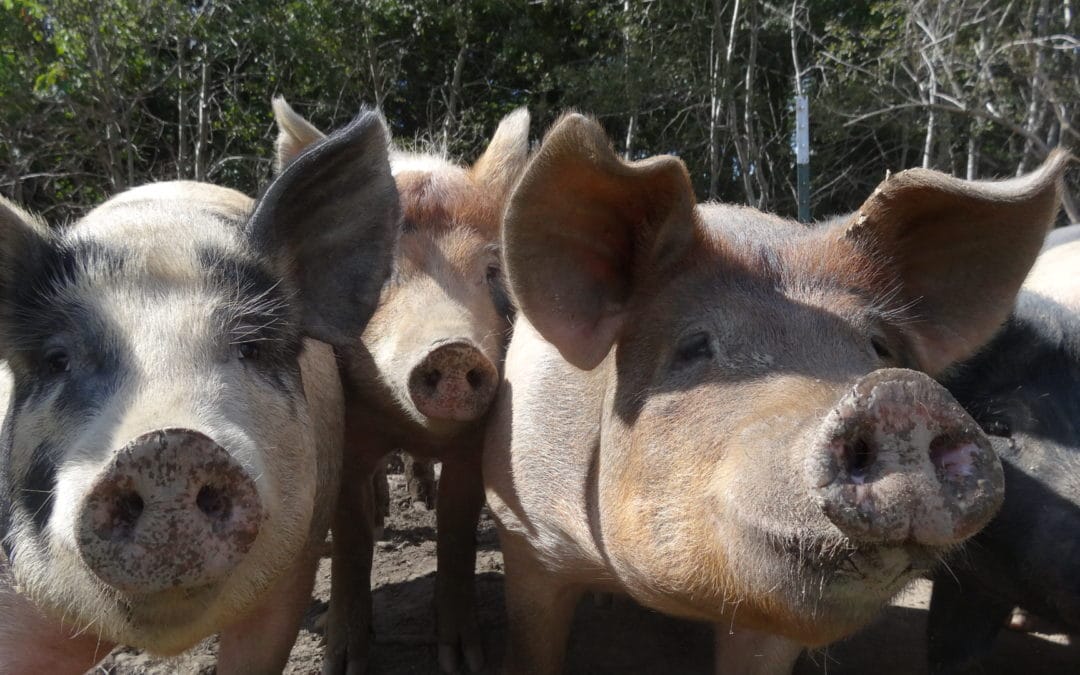
Pig farmers are an ingenious bunch. If you think you have a new idea, it has probably been done in some way before by a like-minded thrifty farmer. I’m constantly surprised at the success that small-scale farmers have with an incredible variety of setups for their hogs. What works for you and your pigs is what matters most.
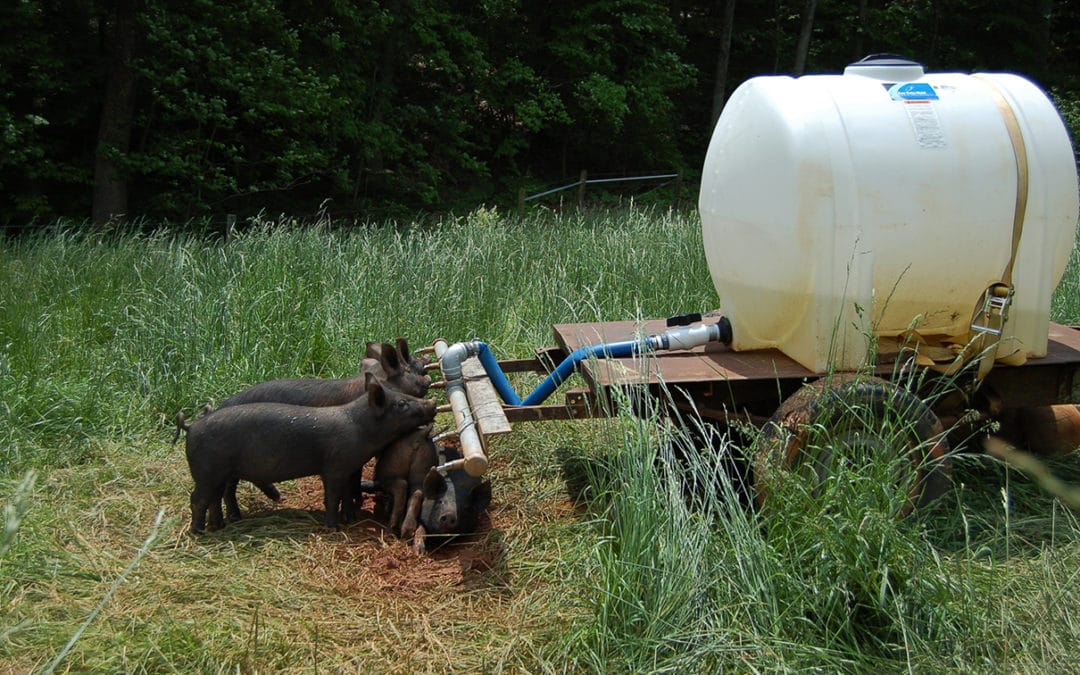
Grazing pigs means paying attention to stocking rates and stocking densities, just as with any other livestock. Rotational grazing for pigs has to take into consideration the animals’ dietary needs and natural behaviors.
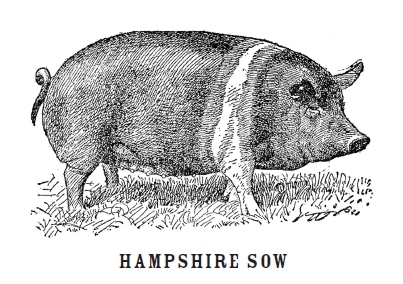
Many swine breeds commonly seen in the Midwest were developed in Great Britain. All of the “shire” breeds hail from there. Many breeds continue to be cultivated there that exist only in limited numbers in the United States or Canada.
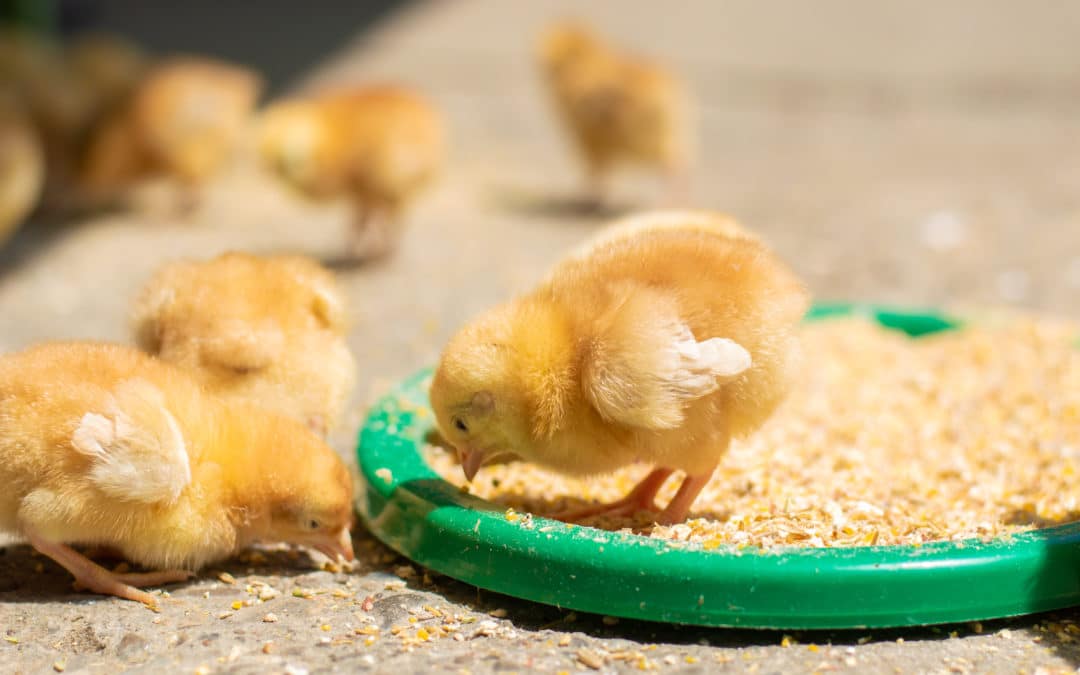
Most baby chick feeds now are quite complete feeds onto themselves. They are sold in various small particulate, “crumbles” forms.

Poultry are fed to improve their performance, to advance the birds, and not to simply save money. Good feedstuffs are an investment in the current and future productivity of the flock or flocks.
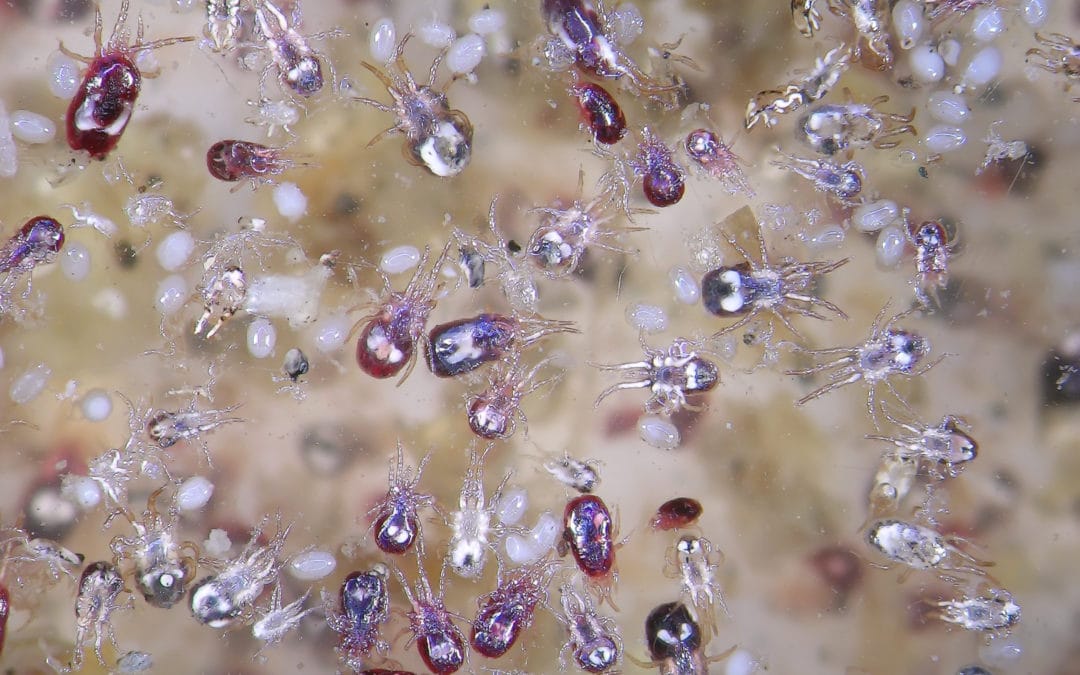
Parasite control does much to keep birds both comfortable and in a thrifty, productive condition. The birds can be affected by a number of different internal and external parasites. Fortunately, the options for their treatment and control have broadened dramatically in recent years.