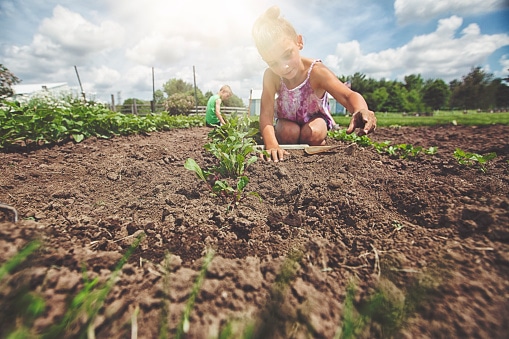
Crop rotation simply means changing the type of crop grown on a particular piece of land from year to year which includes cyclical and non-cyclical rotations. Good crop rotation includes planning ahead two or more years. A lack of planning can lead to problems including the buildup of soil-borne diseases or imbalances in soil nutrients and an increase in pests.

Nature, with minimal human intervention, developed biologically diverse, richly fertile soils and ecosystems with little by way of inputs other than the accumulation of dust, periodic rainfall, fresh air, and sunlight. Rainforests are fertile ecosystems with rich diversity of microbial, plant, and animal species.
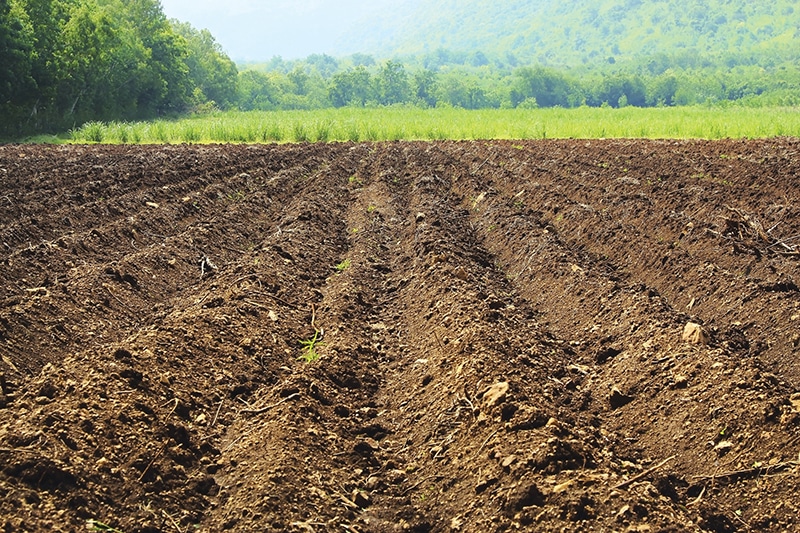
Soil health directly affects plant, animal and human health. It also impacts topsoil erosion, water management and ocean pollution. Most importantly, it is now recognized that climate change is directly related to soil mismanagement. I believe a global soil health initiative can help save our planet.

Fertile soil is a goal of every farmer, gardener and orchardist, but achieving fertile soil and maintaining fertile soil takes some understanding of the soil ecosystem, including minerals, microbials and other inputs will affect your soil fertility.