
Appropriate intervention when absolutely needed is wise, but the goal is minimum intervention — in other words do everything you can to get the soils healthy and mineralized. Mineralize your soils using exchangeable nutrient sources that come from the carbon biological system. You have to create an ideal home for soil life and feed them in order to build soil health.
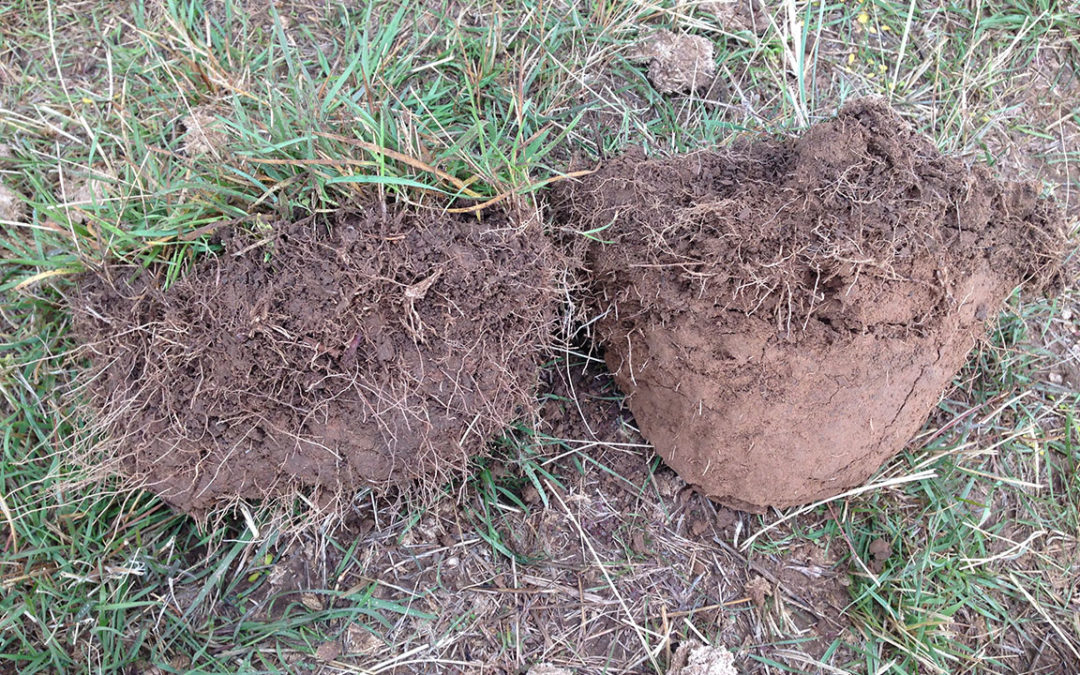
Carbon is an often overlooked, but very important component of the soil. We know how to manage nitrogen, phosphorus and potassium for maximum production, and that micronutrients play a critical role in crop yield and disease resistance. Deficiencies can usually be corrected relatively quickly through the addition of soil or foliar fertilizer applications. While soil nutrient status can change quickly, changes in soil carbon status are generally much slower and effects are less obvious in the short term.
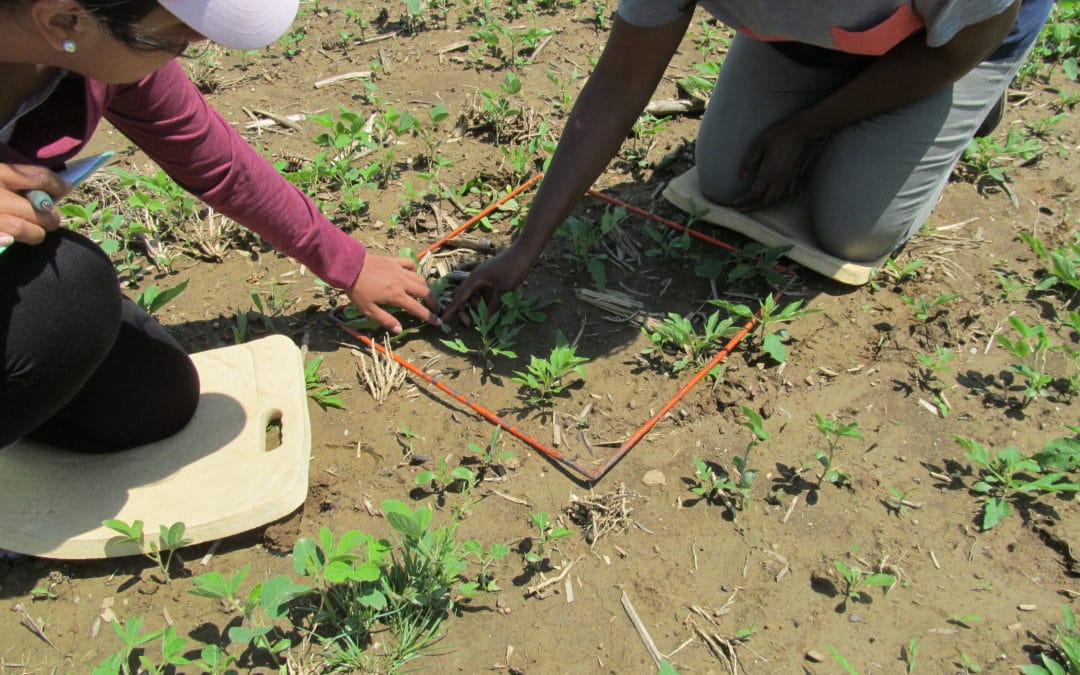
These two ideas stuck with Doohan – that soil balancing reduces weeds, and that standing water increases weeds. As he began to learn about soil balancing, the two concepts slowly merged into a possible hypothesis.
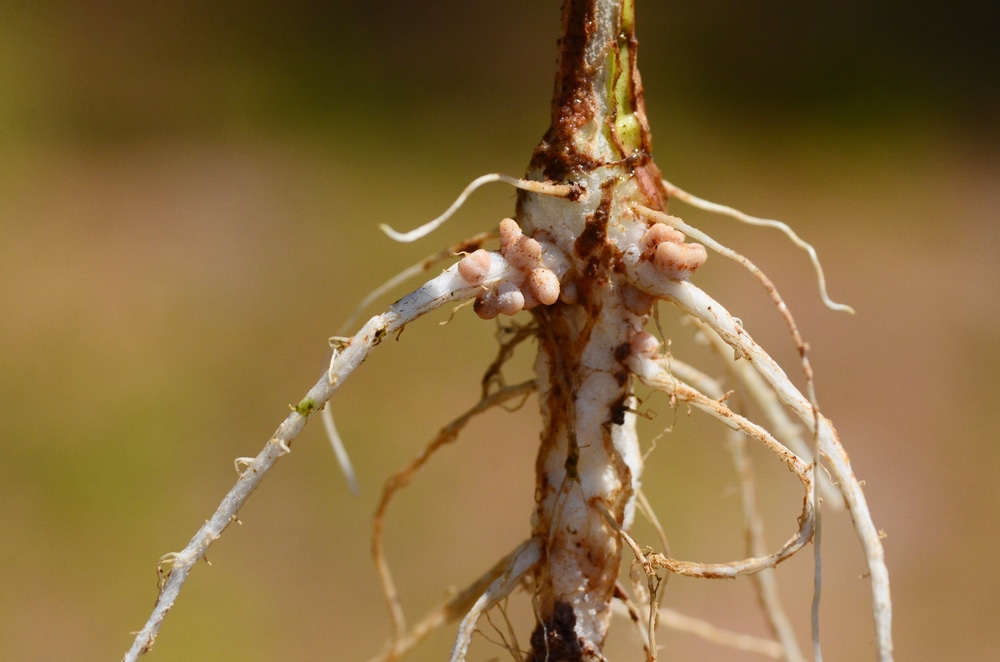
Most of the legumes important in agriculture are known as nitrogen fixers, but the plants themselves don’t really fix nitrogen from the atmosphere. These legumes can form a mutually beneficial association with rhizobia bacteria that “fix” nitrogen from the air and share it with their host plant.
WALTER JEHNE is an internationally known Australian soil microbiologist and climate scientist and the founder of Healthy Soils Australia. He is passionate about educating farmers, policymakers and others about “the soil carbon sponge” and its crucial role in reversing and mitigating climate change.