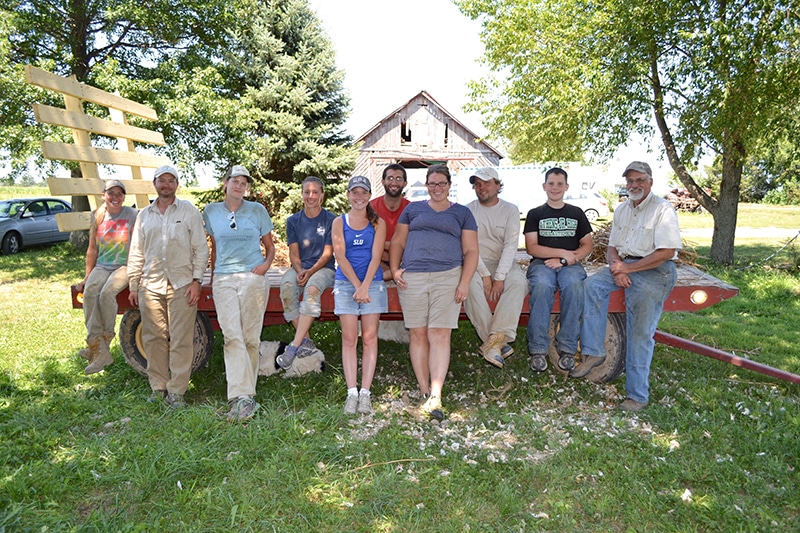
“I believe a diverse mix of plants and animals is the foundation of a sustainable farm, and the emerging globally local food systems offer the best — and perhaps ultimately the only — real path into a food secure future,” said Dave Bishop.
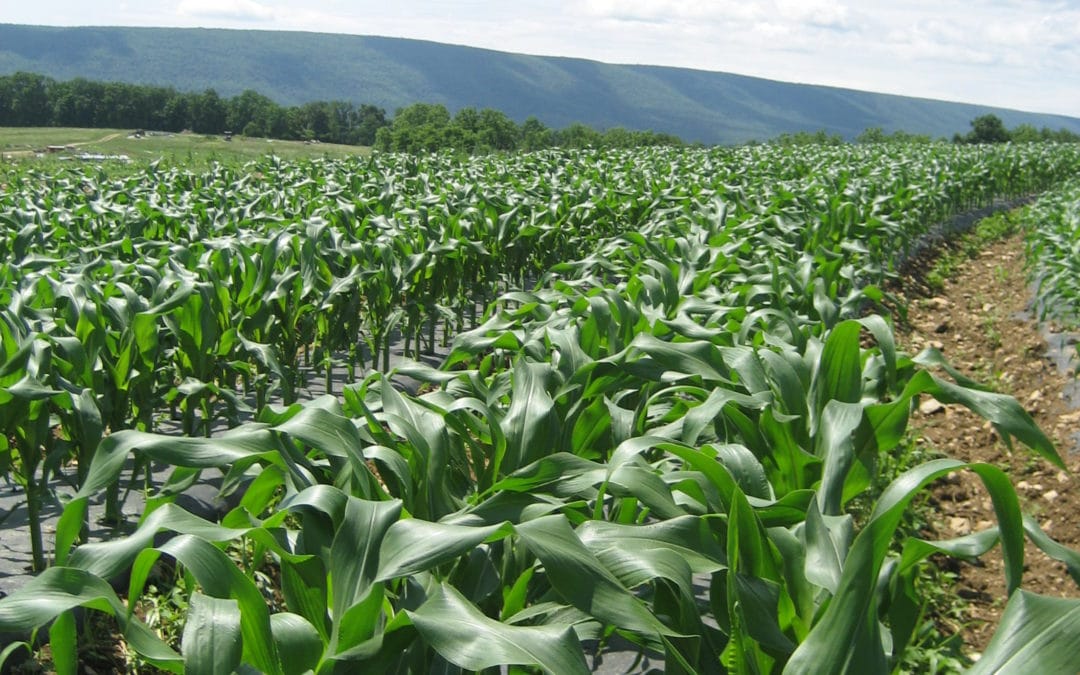
For most growers, one of the biggest deterrents to going organic is the 36-month-long process of transition, during which time you can use only organic-approved inputs and practices, but the crops, milk or other farm goods produced can’t be sold as “organic” and receive the price premium.
There is a duality to the benefits of CSA, and nearly every point in the food network receives gains. People in the community are better able to forge strong relationships with the farmers producing food around them, and food is distributed and enjoyed locally.
The abundance of the earth is made possible by just a few elements, and the primary ones are free. Carbon, hydrogen, oxygen and nitrogen are everywhere, in air and rain. I have really good news. We know how to grow food without hurting the land, air or water, in a way that is good for us, too. It’s simple and easy, but we need four things: minerals, a grass/legume pasture, ruminants and some way to loosen the soil. Also, we can’t be too greedy.

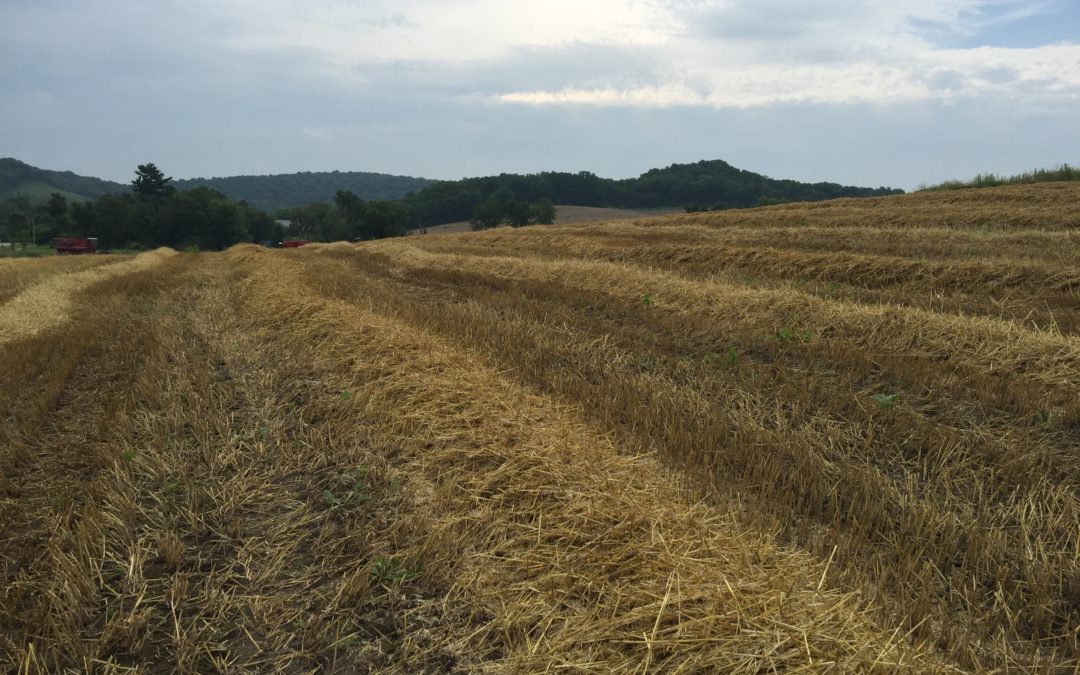
Many organic farmers are accused of overtilling the soil. Tillage is used for pre-plant soil preparation, as a means of managing weeds, and as a method of incorporating fertilizers, crop residue, and soil amendments. Now, armed with new technologies and tools based on sound biological principles, organic producers can begin to reduce or even eliminate tillage from their system.