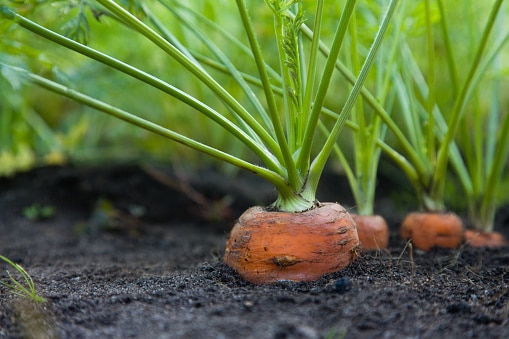
For soil organic matter to work the way it should, it depends on a careful balance of nutrients and minerals, including one of the most important elements — nitrogen. One of the great paradoxes of farming is that lack of nitrogen is regarded as one of the great limitations on plant growth, and yet plants are bathed in it because the atmosphere is 78 percent nitrogen.

The Harvard School of Public Health said reducing food waste by an estimated 15 percent could feed more than 25 million Americans annually. You would think this would be a driving incentive for waste reduction. But how does food collection figure into soil health? Simple. The quality and health of the soil determines the quality and yield of the crops planted in it.

There are few agricultural activities more exciting these days than being able to make and sell your very own gourmet 100 percent grass-fed beef.

For many years we have been composting various agricultural and forest materials at Tobacco Road Farm to provide for the soil fertility in order to raise vegetable crops without the use of pesticides. This practice has been highly successful though it has required more refinement as the environment continues to deteriorate and the soil’s need for rebalancing becomes increasingly important.

Sunn hemp, a tropical plant primarily grown as a cover crop or green manure, has increased dramatically in popularity over the last decade. Originally from India, it’s easy to understand what makes it so popular among vegetable and row crop farmers in the United States.