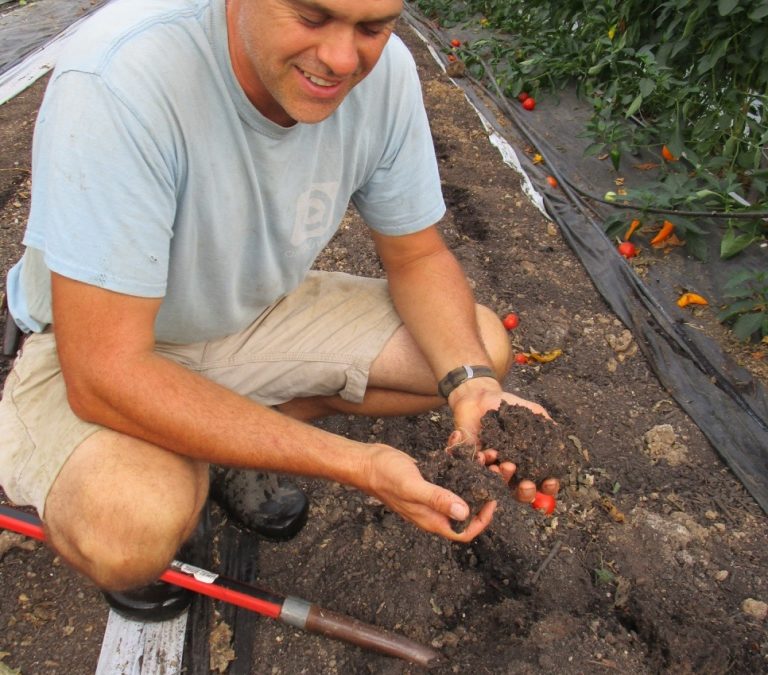
Based on soil tests, growers do this through a variety of methods, including cultural practices — such as proper hydration and soil temperature maintenance, minimal tillage, cover crops and crop rotation — and inputs, which range from rock dusts and sea minerals to compost, inoculants and foliar feeds.
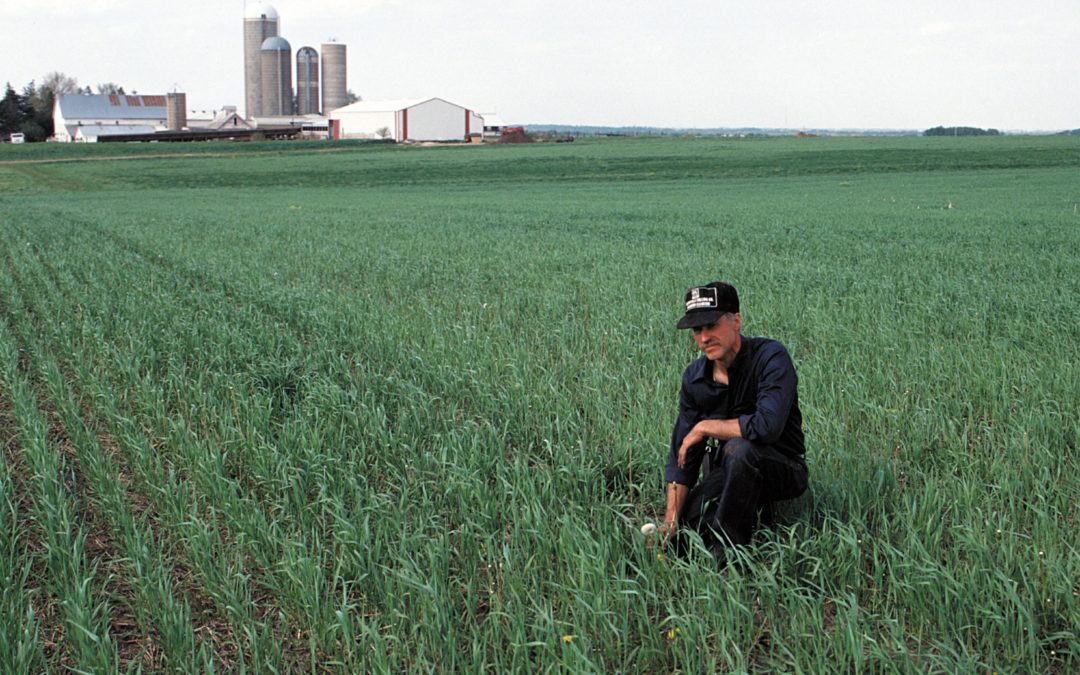
Planting cover crops in rotation between cash crops is even more valuable than previously thought, according to a team of agronomists, entomologists, agroecologists, horticulturists and biogeochemists from Penn State’s College of Agricultural Sciences. Research, published in Agricultural Systems, quantified the benefits offered by cover crops across more than 10 ecosystem services.
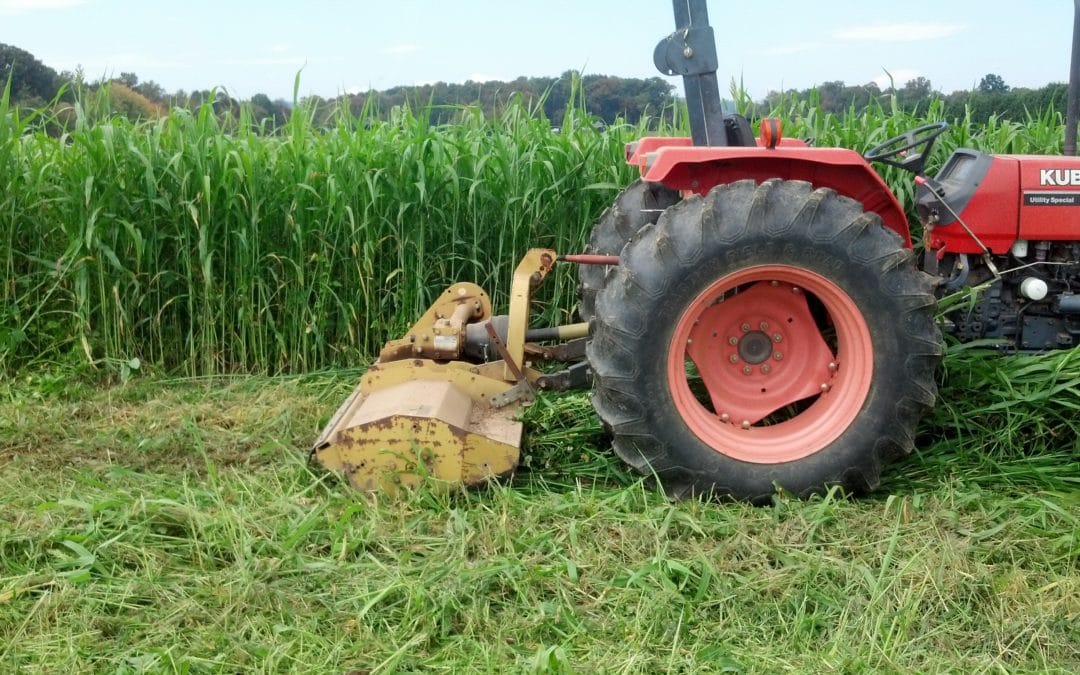
There are several methods that deserve credit for this increase in soil quality: the use of compost, the use of a balanced mineral fertilizer and a serious commitment to cover cropping.

While chemical pesticides work by killing microorganisms, both the pathogenic and the beneficial ones, compost tea works on a very different principle.