How Farmers Can Fight Climate Change
There is a new climate paradigm in town, and it is bringing radical changes to farm fields across the nation and around the world.


There is a new climate paradigm in town, and it is bringing radical changes to farm fields across the nation and around the world.

Anyone who cares anything about sustainable agriculture is well aware of the ongoing threat posed by the use of toxic herbicides such as Monsanto’s Roundup and its primary ingredient, glyphosate.

The Carters experimented with broilers and rabbits and practiced humane backyard processing while introducing Simon and Alice, their first two children, to farm life. Carter developed a feed business, driving 800-mile round-trips to buy and supply non-GMO feed for her 150 customers. She crafted a newsletter with an eye to animal handling, health and ever-changing government regulations.
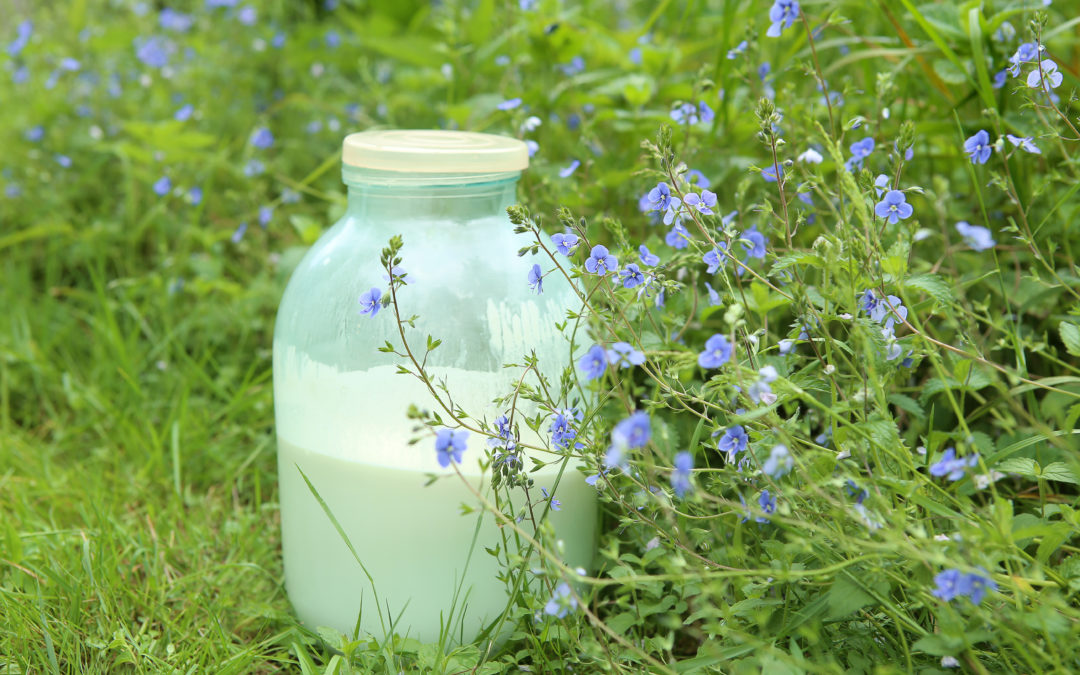
Living smack dab in the middle of this classic slice of Americana are Emily and Brian Towne, self-described “eco-alternative farmsteaders” striving to produce the bulk of their own meat, dairy, eggs, produce and non-GMO animal feed, while building a fledgling retail business selling and bartering eggs, chicken, milk, produce, garlic and herbs to a small but growing consumer base.

Anyone who has ever farmed knows that women are as integral to farming operations today as they ever have been. In many early cultures it was the role of women to grow food, tend small livestock, preserve everything that wasn’t eaten fresh and create household products such as baskets, soap, fiber, clothing, rope, tools, jewelry and much more.