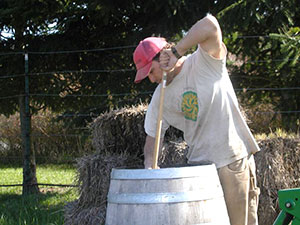
Within two years of biodynamic farming treatment, our vines looked healthy and vibrant. Our grape production doubled, coming up to where it should be for our soils and location at 3.5-4 tons per acre. We now practically dry-farm the grapes. In the last three years of severe drought in California, we have irrigated the vines at most twice a growing season. And earthworms have returned to the soil.
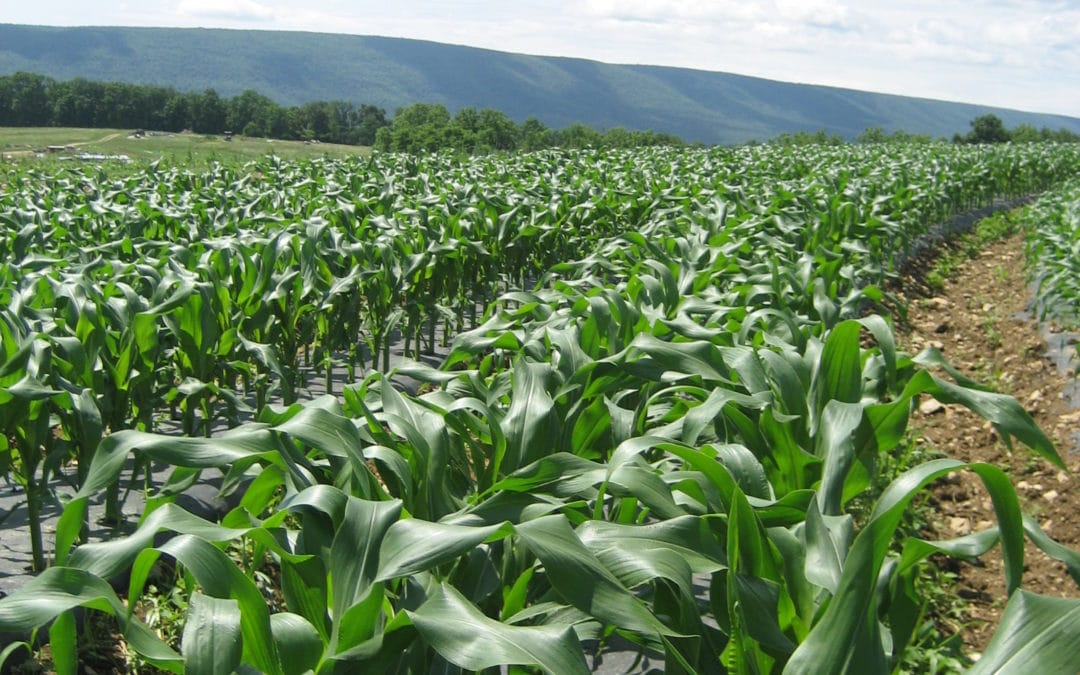
There is a duality to the benefits of CSA, and nearly every point in the food network receives gains. People in the community are better able to forge strong relationships with the farmers producing food around them, and food is distributed and enjoyed locally.
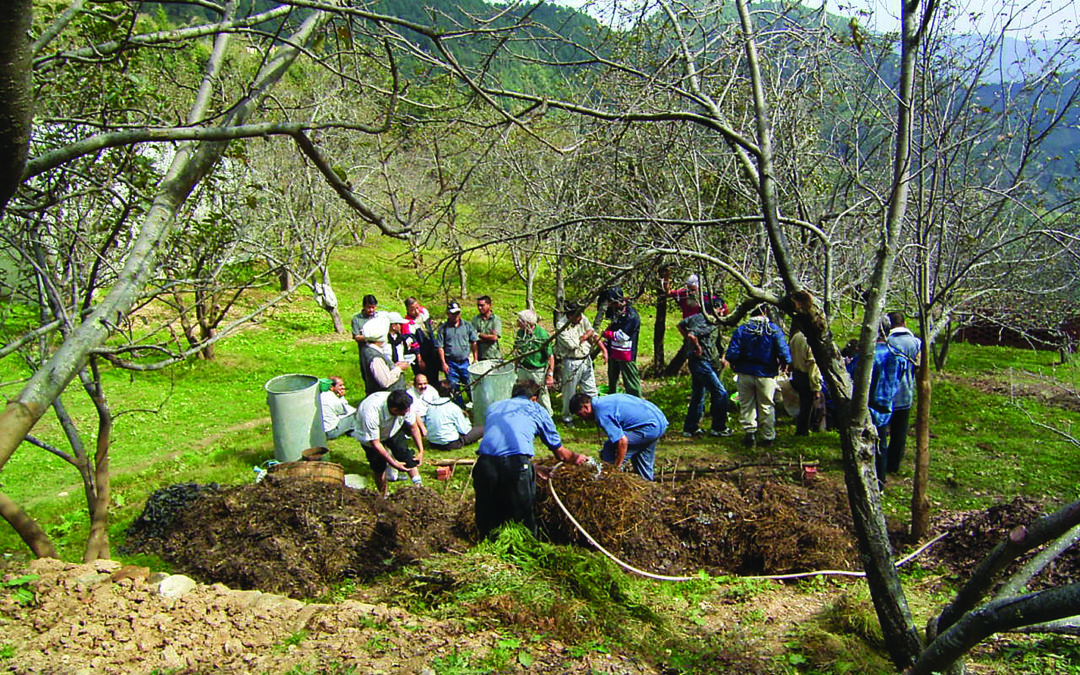
Viticulture and dairy are two of the best areas of agriculture for revealing the virtues of biodynamic growing — viticulture because quality is what wine excellence is all about and dairy because every tank of milk is tested for quality. Biodynamics is about quality and self-sufficiency. Both depend on life force to attract nitrogen from the atmosphere rather than using nitrogen fertilizers.

In December 2014, the United States Department of Agriculture (USDA) sent out a news release to all the media outlets in the country about the results of its 2013 Pesticide Data Program (PDP). The headline: “Report confirms that U.S. food does not pose a safety concern based on pesticide residues.”
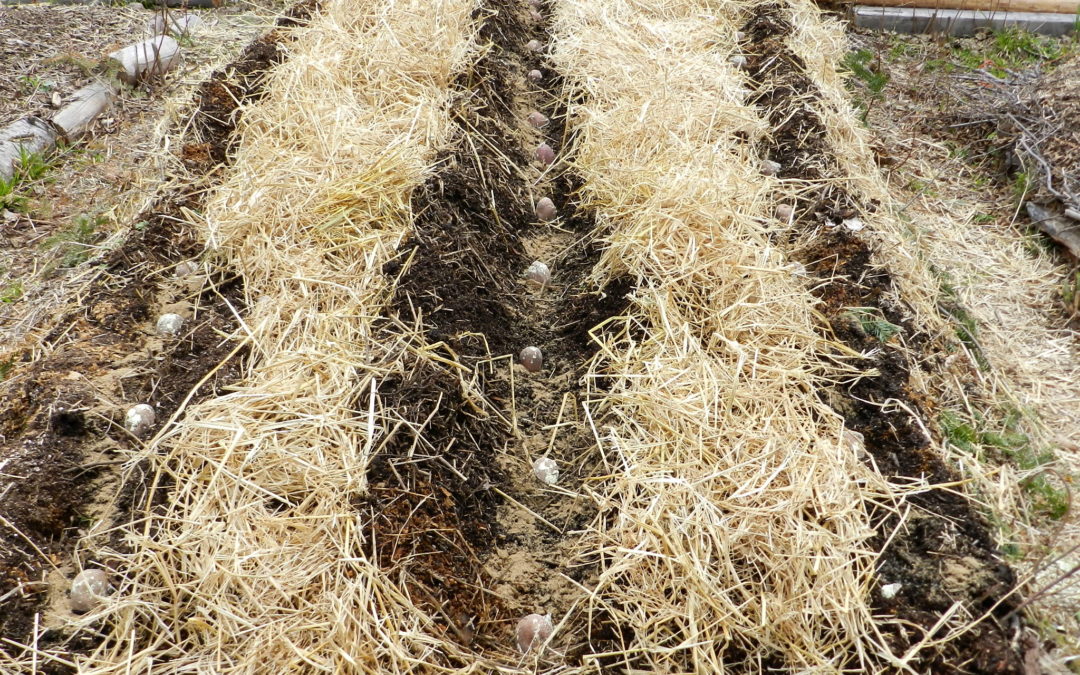
Hügelkultur (pronounced “hoogle-culture”) is German for “hill culture.” Hügelkultur entails growing crops on a raised, earthen mound that consists of a foundation of fresh or rotting logs and branches covered in layers of manure, compostable materials and soil.
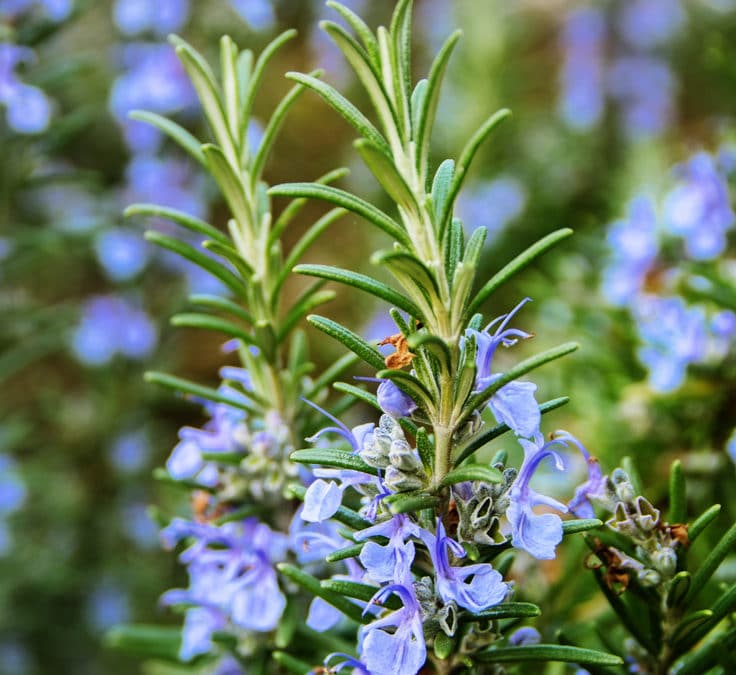
One of the most important reasons to have a garden in front of or surrounding your greenhouse, especially if you are involved in organic container plant production, is the diminished load of pest insects. Some beneficial insects need nectar for a specific phase of their developmental cycle, and so must have flowers available to sustain them.