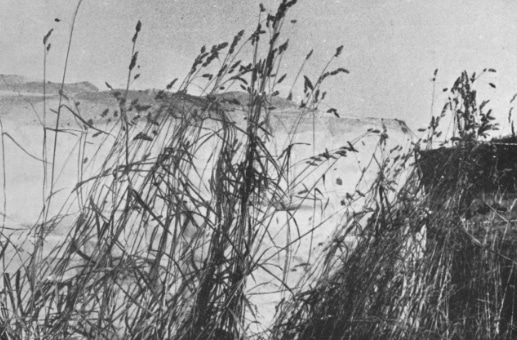
Forage Mixtures: Silage
In making the silage in the field, water to moisten the grass is not always practicable, and molasses, to sweeten it and set in motion desirable ferments, needs water to dilute it.


In making the silage in the field, water to moisten the grass is not always practicable, and molasses, to sweeten it and set in motion desirable ferments, needs water to dilute it.
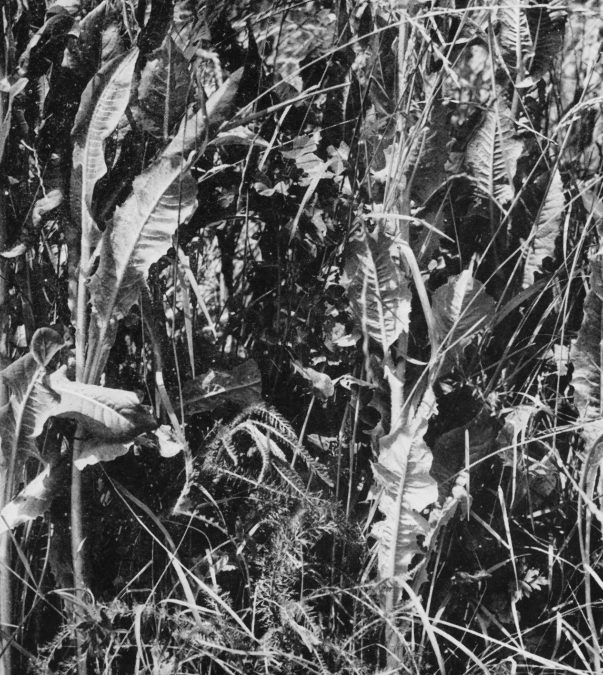
The quantities of seeds making up the mixtures are the ideal for quick establishment and soil coverage; but where extra economy is necessary in seasons of high-priced seeds, the eventual pasture, though slower to ‘fill up,’ will be ultimately just as good with up to a third less seed, thus reducing the cost by one-third. But soil conditions, seedbed and fertility must be perfect for this reduction of seed quantity.
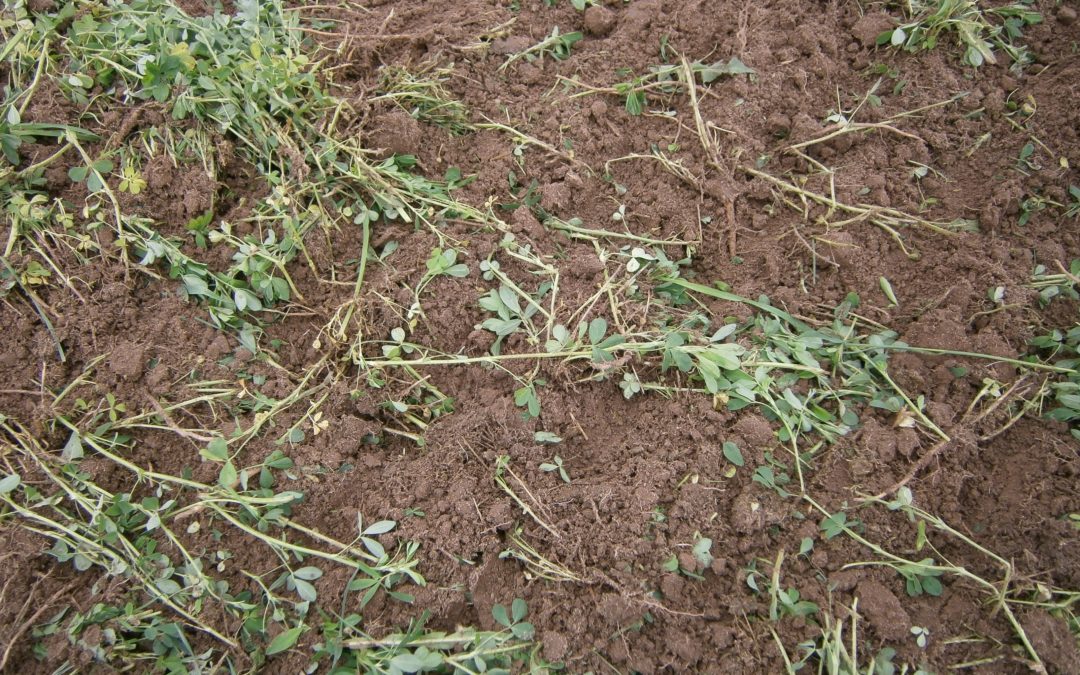
Severe sickness is usually easy to spot because of visible discoloration or dying of above-ground parts. Less severe deficiencies and toxicities are harder to diagnose. Often the plants look healthy, but growth may be slowed, yield may be reduced, and feed quality will probably be decreased.

If your soil is not yet in good condition, or if the weather isn’t cooperating, and your plants are under stress and are attacked by a disease or pest, all the Utopian theories in the world will not help. You have to save that crop!
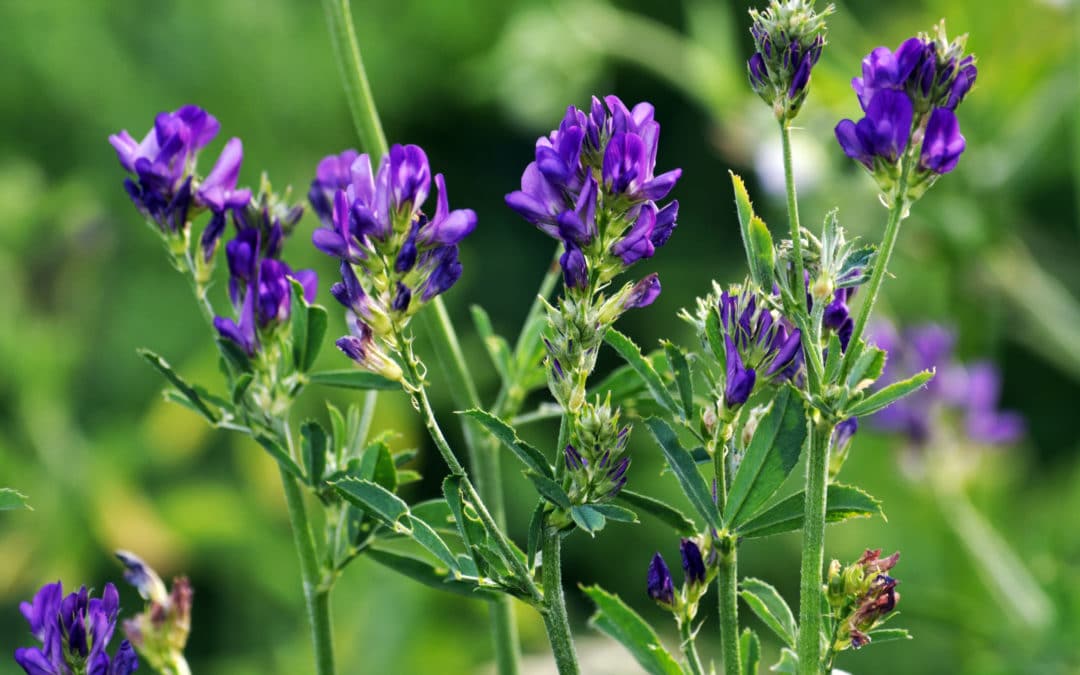
The first cutting of a new stand should be delayed until the plants are strong and vigorous and have a good root system, generally 70 to 90 days after germination for a spring seeding.
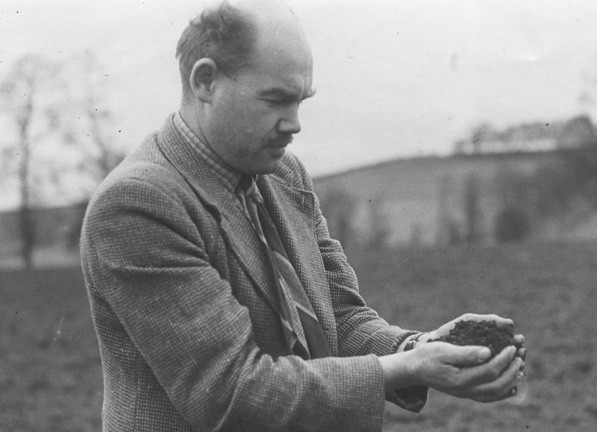
Over twenty years ago Sir Albert Howard insisted on the importance of the biological, as distinct from the chemical, assessment of soil fertility. He declared that chemical soil analysis was, at very best, nothing more than a rough guide, to be checked against physical examination and a close observation of biological and botanical indications.