You will have no difficulties in establishing a ley from old pasture where a kale crop and an oat and vetch crop have intervened. The decaying turf has released, by means of the organic acids of decay bringing them into solution, the unavailable minerals which are present in every soil if only they can be released. As I have said elsewhere, given a few leaves of organic matter for anchorage, sustenance, and the dissolution of a minute portion of the rock, nature can grow a vigorous and healthy plant actually on a rock.
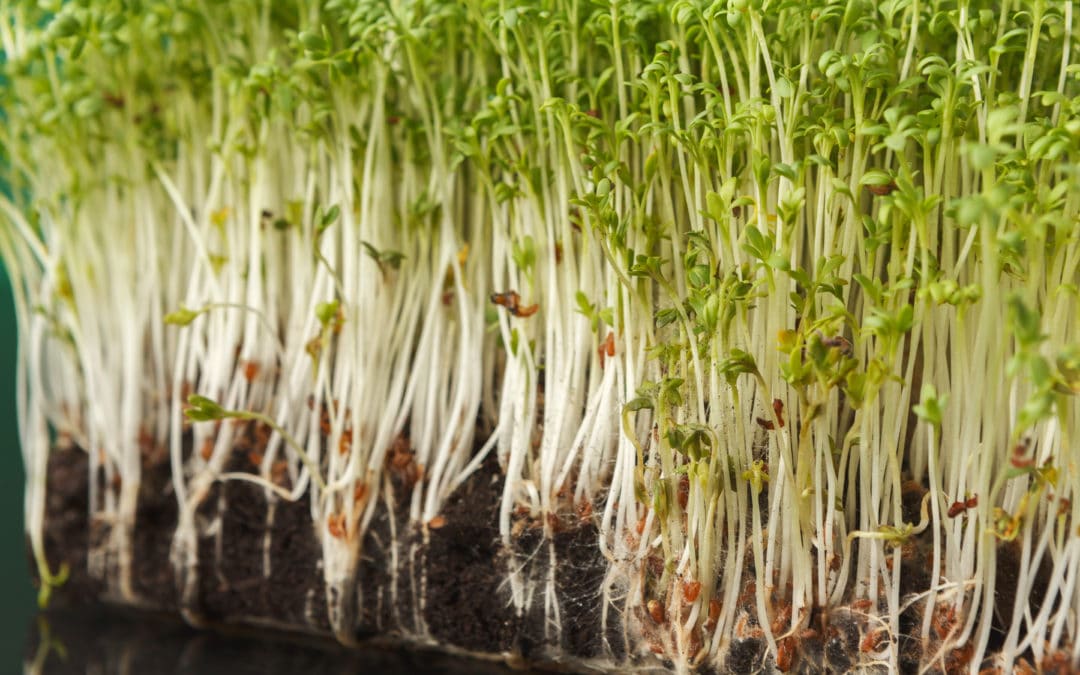
Whether you want to use broadcast, drill, or band seeding methods may depend mainly on your situation and available equipment. With good soil conditions, any seeding method can give good results.

It is impossible to give definite recommendations regarding fertilizers without knowing what your soil needs, but the soil should have a high level of available calcium and phosphorus. If your soil needs these elements, good sources are calcite lime plus soft rock phosphate. These plus an application of organic matter (6 to 10 tons/acre of fresh cattle manure, or 1/2 to 1/3 that amount of poultry manure, or 1 to 3 tons/acre of compost) will take care of most nutrient needs of alfalfa and other forages.

Sunn hemp, a tropical plant primarily grown as a cover crop or green manure, has increased dramatically in popularity over the last decade. Originally from India, it’s easy to understand what makes it so popular among vegetable and row crop farmers in the United States.

The site of the heap varies from year to year, so there can be no question of concrete sides or base. And though straw bales might be possible, we don’t use them because they make no difference to the amount of waste on the sides of the heap. Waste at top and sides depends entirely on the amount of compression in relation to the maturity of the crop. The coarser or more mature the crop that is being used, the greater the amount of compression needed to avoid side and top wastage.

The percentage of grass in legume-grass mixtures should generally be less than 25 – 40%, up to 50% in pastures, because too much grass will lower the protein content of the hay and may require more nitrogen than the legume can supply.