Meadow Fescue is becoming increasingly popular as an ingredient of the simpler mixtures because, where choice is limited to one or two grasses, it is one of the most nutritious. It is a slow starter, but very productive; and once established is a heavy cropper. Unfortunately it is not, in my experience, as productive or palatable as Timothy on heavy soils where it is used as an alternative to Timothy as the companion grass for Lucerne.
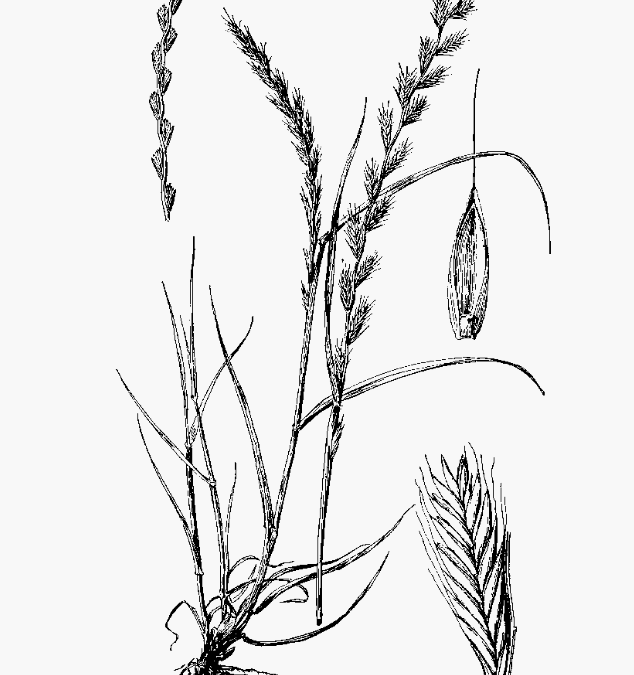
The greatest virtue of Italian Ryegrass (and in these general terms I include the more recent grasses, Westerwolth’s Ryegrass and New Zealand H.I. strain, Short Rotation Ryegrass) is that it is possible, by planning sowings, to obtain grazing at any time of winter or summer at a predetermined period after sowing.
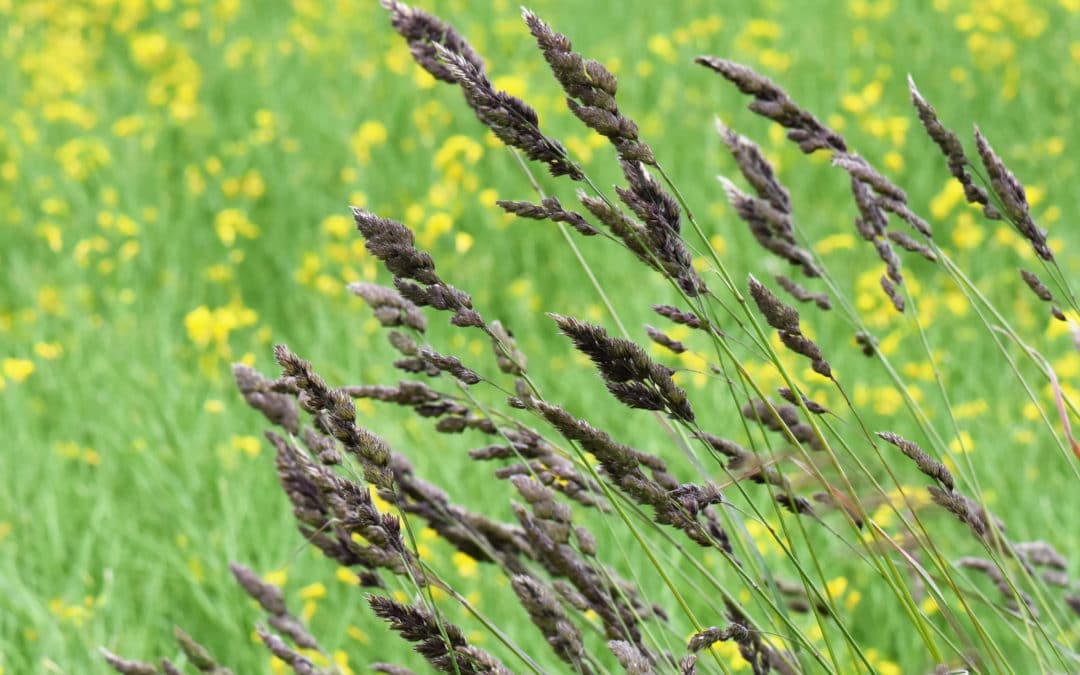
Of the pedigree pasture strains of Cocksfoot I have always found a combination of Aberystwyth S.26 and Aberystwyth S.143 gives the best results and, especially where separate mixtures are used for early grazing, there is no point whatever in including the purely hay strains of Cocksfoot, such as the Danish or the New Zealand strains in a general-purpose mixture. S.26, being a hay-pasture strain, comes quite early enough to provide a good cut of hay; and at the normal time for haymaking provides a leafier and more nutritious hay than the so-called purely hay strains of the grass.

To understand all the relations of an organism, including maintenance with its present environment, we must follow ecological clues clear back to 250 million years ago. Man’s survival depends on finding out what started and stopped the explosive planet growth which made the fossil fuels possible.

The tillage methods you use for soybeans should depend on your climate, soil type, slope, crop rotation, machinery and costs.